

Tai Chi for Recovery
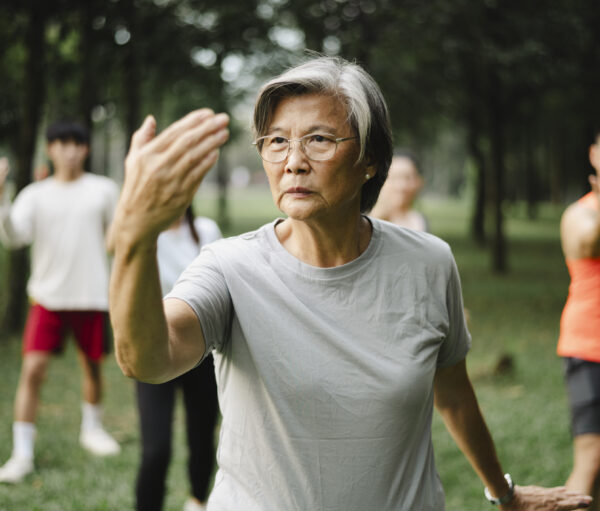
Recovering from surgery or a serious medical event, whether that’s a stroke, heart attack, or a COPD flare-up, almost always involves some form of exercise. During a rehabilitation stay, your care team maps out a structured plan and walks you through an exercise plan. But once you’re home, the responsibility of staying active falls largely on you. And that’s where things get complicated.
Finding the right exercise during recovery is not easy. High-impact activities risk injury. Arthritis makes many conventional workouts painful. Heart conditions can put sustained, vigorous exercise out of reach. And yet physical activity remains one of the most important factors in a successful recovery.
That’s why tai chi has been gaining traction among patients, physical therapists, and physicians alike. This low-impact, joint-friendly practice requires no equipment, no gym membership, and no particular level of fitness to begin. It can be done in a living room, a backyard, or a community center. Adaptations exist for nearly every ability level, including seated and wheelchair-friendly routines. And the health benefits are backed by a growing body of clinical research.
Pain-free movement: For people managing conditions like osteoarthritis, COPD, or heart failure, the fear of exercising through pain is real. Tai chi offers a meaningful alternative. Research published in the British Journal of Sports Medicine found that people living with these conditions who practiced tai chi showed measurable improvements across four key areas: endurance on a six-minute walking test, muscle strength, timed mobility (how quickly they could rise and move), and overall quality of life—all without pain during the exercises themselves.
Stress relief: A study published in the New England Journal of Medicine followed fibromyalgia patients who attended tai chi sessions twice a week over 12 weeks. Compared to a control group that participated in stretching and wellness education on the same schedule, the tai chi group reported significantly lower pain levels. Beyond its physical effects, tai chi incorporates meditative focus and controlled breathing, things that help reduce the psychological burden of chronic stress.
Immune boost: UCLA researchers uncovered a striking finding about tai chi and immune function: practicing tai chi three times a week for 16 weeks boosted immune response to a level comparable to receiving the shingles vaccine. In the study, both a tai chi group and a health education group received the actual vaccine after the 16-week period, and the tai chi participants showed double the immunity levels of their counterparts. For older adults whose immune systems may already be compromised, this is a compelling reason to add tai chi to a recovery routine.
Better balance, fewer falls: Fall prevention is a critical concern during recovery, particularly for older adults. A study published in the Journal of Gerontology found that seniors who practiced tai chi consistently over six months reduced their rate of falls by 55 percent compared to a group doing standard stretching exercises. The slow, deliberate weight shifts and postural awareness built into tai chi directly train the stabilizing muscles and sensory systems that keep us upright.
A natural mood lifter: Researchers from the UCLA Department of Psychiatry and Biobehavioral Sciences found that tai chi can be an effective intervention for depression in older adults. For some seniors, the mood-lifting effects may even rival those of prescription antidepressants — without the side effects or the risk of drug interactions that concern many older patients already managing multiple medications.
Greater quality of life for heart patients: A research team at Beth Israel Deaconess Medical Center in Boston found that tai chi did more than improve mood in patients living with chronic heart failure — it made them more willing to engage in their own recovery. Participants who practiced tai chi reported greater motivation and confidence when following their prescribed walking programs, along with measurable gains in overall quality of life. The mind-body nature of the practice appears to build not just physical capacity, but the belief that getting better is possible.
Recovery is rarely a straight line, and finding the motivation to stay active during the process can be challenging. Tai chi doesn’t demand perfection, speed, or strength. It simply invites you to show up, breathe, and move—and over time, the evidence suggests, that’s more than enough to make a real difference.
For information about The Alden Network’s Short-Term Rehabilitation Centers, which specialize in rehabilitation and therapy to build up strength and improve flexibility following an injury, illness or surgery, click here.
This article is not intended to replace the advice of your health care provider. Speak to your doctor and/or therapist before beginning any exercise regimen.
Source: IlluminAge